


A sea-facing villa may have flawless architecture, a heated pool and the address every buyer wants. Yet its energy performance can still shape the comfort, running costs and future appeal of the home. This guide to Spanish energy certificates explains what discerning buyers should look for before committing to a property in Marbella or elsewhere on the Costa del Sol.
Why the Spanish energy certificate matters
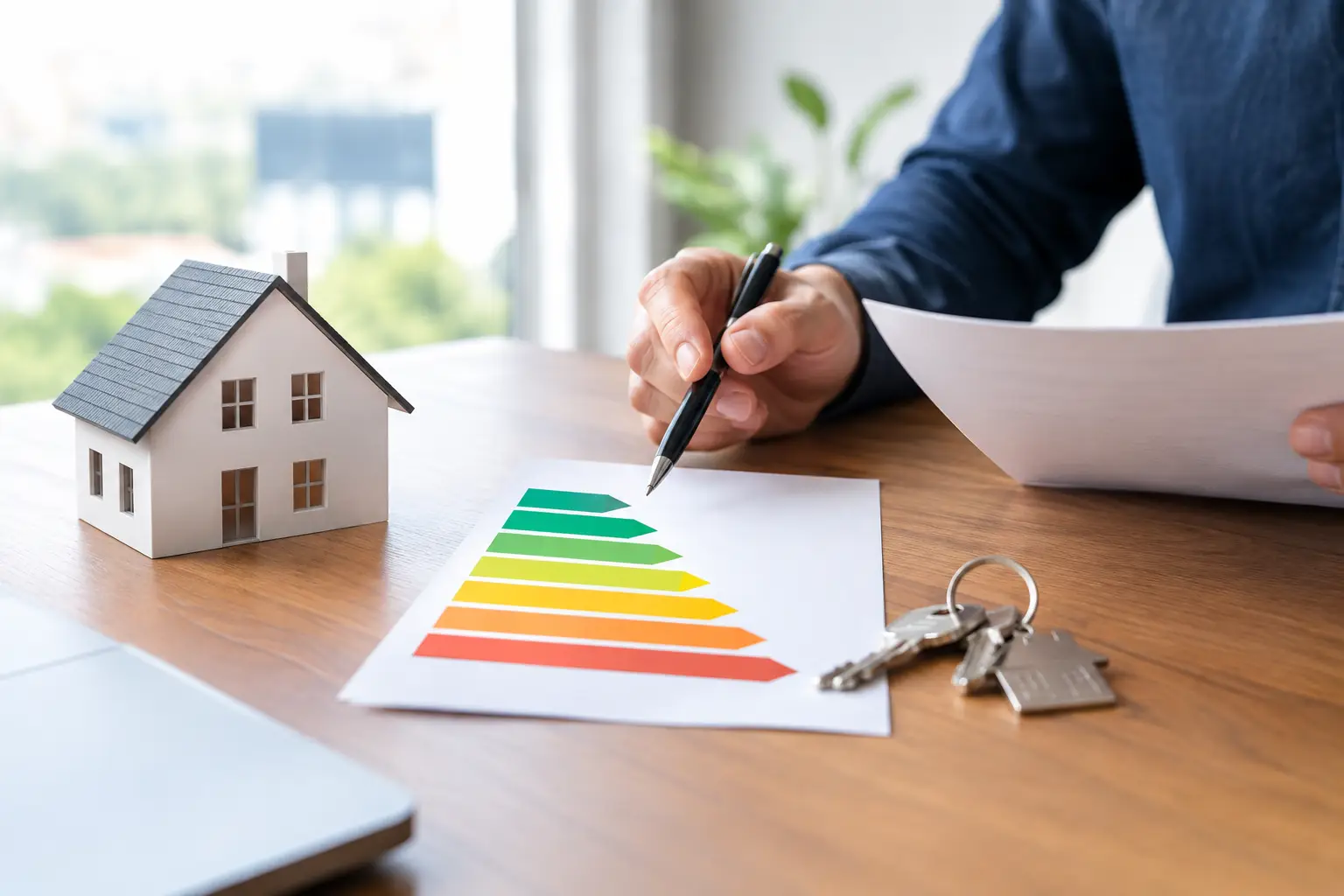
Spain’s Certificado de Eficiencia Energética, commonly called the CEE or energy performance certificate, rates a property from A to G. A represents the strongest energy performance, while G indicates the highest calculated energy demand and carbon emissions. The certificate is required when a property is sold or rented, subject to limited statutory exemptions.
For an international buyer, the document is more than an administrative formality. It offers a useful first view of how a home is likely to perform in the local climate. In Marbella, where long summers create substantial cooling demand and winter evenings can still call for heating, construction quality, glazing, shading and climate-control systems all deserve close attention.
The rating should not be read as a verdict on a property’s desirability. Many exceptional period homes and large villas receive modest ratings because of their scale, age or original design. Rather, it is a starting point for an intelligent discussion about comfort, operating costs and the improvements that may be worthwhile over time.
What a Spanish energy certificate tells you
A qualified technician prepares the certificate after reviewing the building’s envelope and installations. This usually includes walls, roofs, windows, insulation, ventilation, heating, hot water and cooling systems. The assessment is based on standardised assumptions, not on the lifestyle of the current owner. A lightly used holiday residence and a year-round family home could produce very different utility bills despite sharing the same rating.
The certificate records calculated energy consumption and carbon dioxide emissions, expressed per square metre each year. It also identifies the property’s rating on the familiar A-to-G scale and normally includes recommendations for improving performance. These recommendations may range from solar-control glazing and roof insulation to more efficient air conditioning, heat-pump systems or solar energy installations.
Treat those recommendations proportionately. An upgrade that is sensible for a full-time residence may offer a different return for a home used only for selected months. Equally, a villa with extensive glass frontage may justify investment in external shading or high-performance glazing even if its annual occupancy is limited, simply because it improves day-to-day comfort.
Guide to Spanish energy certificates: what to request
Ask to see the complete, registered certificate rather than relying solely on the coloured label shown in marketing material. In Andalusia, energy certificates are registered through the regional administration, and the registration details should correspond with the property being offered for sale.
Check that the address, cadastral reference where shown, floor area and property type align with the home you are considering. This is particularly relevant for large estates, properties with guest accommodation and homes that have been substantially altered. A certificate prepared for an original configuration may not reflect later extensions, enclosed terraces or newly installed systems.
It is also sensible to consider the certificate alongside the property’s other technical and legal documentation. The CEE does not replace a survey, planning review, legal due diligence or a specialist inspection of installations. It cannot confirm whether a swimming-pool heating system is operating efficiently, whether solar panels have been correctly maintained or whether building works have the necessary permissions. Those are separate enquiries, but they can materially affect the value of the recommendations within the certificate.
Reading the rating in the context of Marbella living
A lower rating is not unusual in the established prime areas of the Costa del Sol. Homes built before modern insulation standards, especially those designed around generous ceiling heights, expansive terraces and open-plan living, may require more energy to cool or heat. On the other hand, their orientation, mature landscaping and natural ventilation can make them highly pleasant in real use.
Look beyond the letter. South and west orientations invite exceptional light and sunsets, but may increase solar gain in summer. Deep overhangs, pergolas, exterior blinds, landscaped shade and well-specified glazing can significantly influence comfort. North-facing rooms may be cooler in summer but less appealing in winter. The best solution is rarely a single feature; it is the balance of design, insulation and equipment.
For newer residences, ask how the air conditioning, domestic hot water and ventilation have been designed to work together. Efficient technology is valuable, but only when the system is appropriately sized, installed and maintained. A high rating is encouraging, although it should never remove the need for professional checks before completion.
The financial and lifestyle considerations
Energy efficiency has become part of the long-term quality conversation in prime residential property. Buyers increasingly value homes that remain comfortable through the hottest weeks, offer manageable running costs and can accommodate changing expectations around sustainability. This is especially relevant for owners who plan to spend extended periods in Spain, host family and guests, or retain a property as a legacy asset.
The trade-off is often between preserving architectural character and improving performance. In a contemporary new-build, integrated solar solutions, insulation and advanced climate systems may already be part of the design. In a classic villa, carefully chosen improvements can protect its original character while addressing practical needs. Heritage considerations, community rules and local permissions may influence what can be changed, particularly in flats and gated developments.
Consider the likely ownership plan before prioritising upgrades. A buyer seeking a turnkey holiday residence may place the greatest value on reliable cooling, remote monitoring and low-maintenance systems. An investor may focus on broad rental appeal and predictable operating costs. A family relocating permanently may give greater weight to year-round thermal comfort and the future adaptability of the home.
New-build property and energy performance
New-build homes generally benefit from current building standards and are often designed with energy efficiency in mind. Even so, review the final certificate and technical specifications rather than relying on early-stage brochures. Confirm which features are included in the delivered property, especially photovoltaic panels, underfloor heating, home automation, electric-vehicle charging and pool equipment.
For off-plan purchases, the final energy documentation should form part of the handover record. This is also the right moment to understand warranties, servicing requirements and the practical operation of the home’s systems. Sophisticated technology should enhance a relaxed Mediterranean lifestyle, not create unnecessary complexity for an owner who lives abroad.
A measured approach before you exchange
Request the certificate early enough to ask informed questions before contracts are finalised. If the rating is lower than expected, establish why. The answer may be entirely reasonable: an older property, large internal volume, original glazing or a certificate that predates recent upgrades. If upgrades have been completed, ask for the supporting invoices, warranties and, where appropriate, an updated certificate.
A trusted local adviser can help place the document in its proper context, coordinating with legal and technical professionals where further investigation is justified. At Amrein Properties, this forms part of the discreet, tailored guidance that overseas buyers value when acquiring a home in Marbella.
The most rewarding purchase is one that feels as considered behind the scenes as it does when you step onto the terrace. Give the energy certificate its proper place in your due diligence: neither ignored nor overstated, but used to make a clear-sighted decision about the home and lifestyle ahead.
Frequently Asked Questions
How long does a Spanish energy certificate remain valid?
A Spanish energy certificate is generally valid for 10 years. Owners may choose to obtain a new certificate earlier if significant energy improvements have been made, as an updated assessment can better reflect the property’s current condition and systems.
Can I buy a property in Spain with a G energy rating?
Yes, a G rating does not prevent a property from being sold. It indicates the lowest band in the A-to-G scale for calculated energy performance, so buyers should understand the causes of the rating and consider whether any improvements suit their intended use of the home.
Is the energy certificate the same as a building survey?
No, an energy certificate is not a building survey. It assesses calculated energy consumption and carbon dioxide emissions using standardised assumptions, whereas a survey investigates the physical condition of the property and may identify defects or maintenance requirements.
Does a Spanish energy certificate show my future electricity bills?
No, it does not show exact future electricity bills. The calculation uses standardised assumptions rather than the habits of the present or future owner, so occupancy patterns, temperature preferences and the use of features such as pool heating can materially change actual costs.