


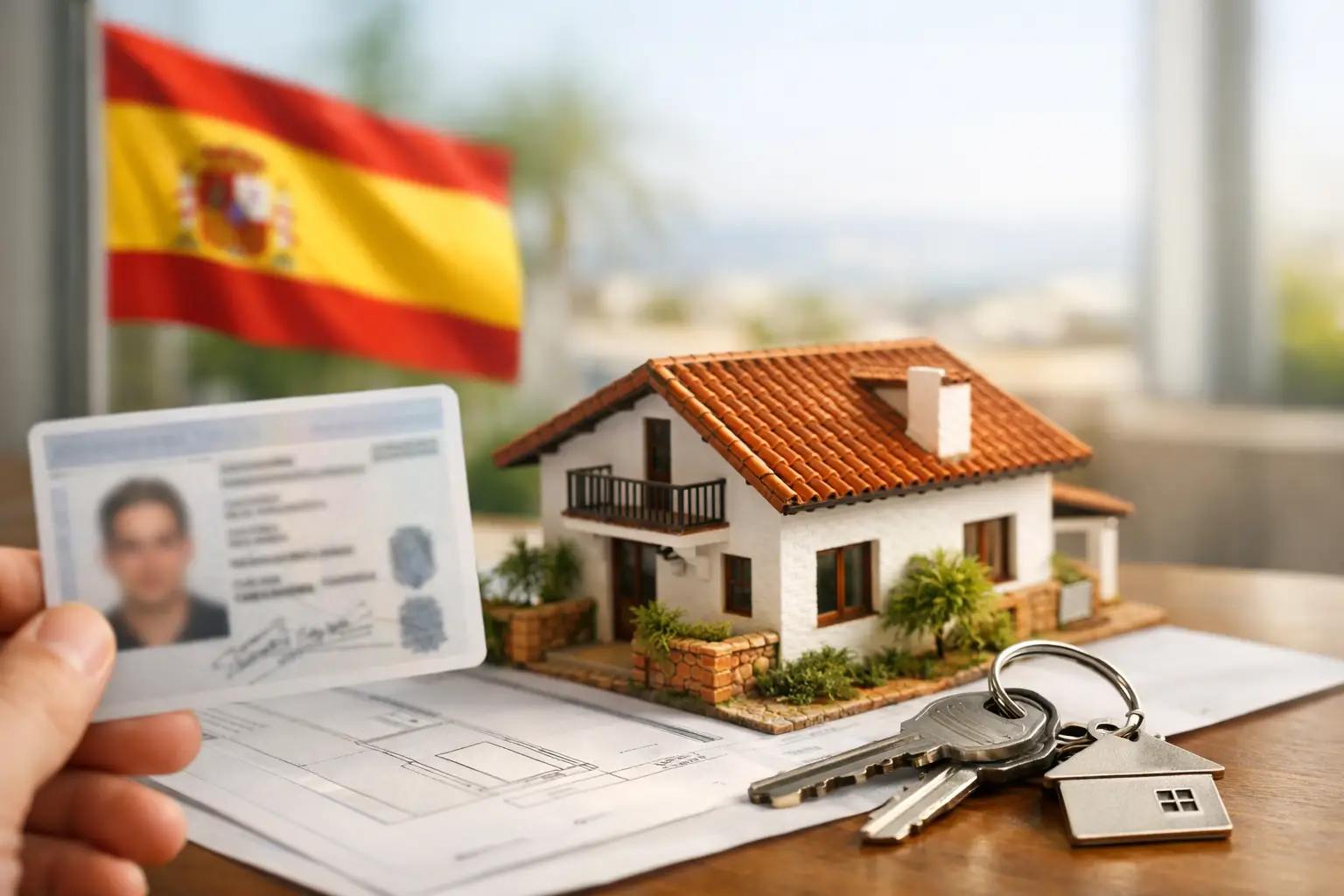
A Marbella home can be chosen in an afternoon; putting the right foundations in place takes rather more forethought. Understanding how to obtain Spanish NIE is one of the first practical steps for an overseas buyer, whether the ambition is a beachfront residence on the Golden Mile, a discreet villa in Sierra Blanca or an investment on the Costa del Sol.
The NIE is straightforward in principle, but timing, paperwork and the route of application deserve careful attention. For buyers accustomed to well-managed transactions, securing it early protects momentum once the right property appears.
What is a Spanish NIE and why does a buyer need one?
NIE stands for Número de Identidad de Extranjero, or Foreigner Identity Number. It is a personal identification and tax number issued to non-Spanish nationals with economic, professional or social dealings in Spain. It is not a residence permit, a visa or evidence of Spanish tax residence.
For a property purchase, the NIE is central to the transaction. It is normally required for the public title deed signed before a notary, for the payment of taxes connected to the acquisition and for many related arrangements, including opening or operating a Spanish bank account. It will also be used in dealings with public authorities after completion, from local taxes to utilities and property administration.
The number itself is personal and remains linked to its holder. That makes it useful well beyond the day of purchase, particularly for owners who expect to enjoy their home for many years or retain a broader connection with Spain.
How to obtain Spanish NIE before buying in Marbella
An applicant can request an NIE either in Spain or, in certain cases, through the Spanish consulate responsible for their place of residence abroad. The best route depends on where the buyer is based, the timescale of the intended purchase and current appointment availability.
Applying in Spain is often the more practical option when a buyer is already visiting Marbella to view homes and meet advisers. Applications are generally handled through a designated National Police station or Foreigners’ Office, known as an Oficina de Extranjería, with an appointment arranged in advance through the official appointment system. Availability can vary considerably by location and season, so it is wise not to leave this until a preferred property is ready to reserve.
A consular application may suit a buyer who wishes to prepare matters before travelling. However, consulates have their own appointment procedures and document requirements. Some buyers also use an authorised representative where this is permitted, allowing the application process to be coordinated alongside the legal work for the purchase. The appropriate approach should be confirmed early with the professional handling the conveyancing.
For a luxury purchase, the question is rarely whether the NIE can be obtained. It is whether it can be obtained without introducing avoidable pressure at the reservation, private contract or completion stage. Early preparation gives every party room to proceed with the discretion and care the transaction deserves.
Documents commonly requested
The precise requirements can differ between offices, and the relevant authority should always be checked before an appointment. In most property-related applications, the core file includes:
- a completed and signed EX-15 application form;
- the applicant’s valid passport and a copy of the identification page;
- evidence explaining the economic reason for the request, such as documentation relating to an intended property purchase;
- proof that the applicable administrative fee has been paid, using Form 790, code 012.
Where documents originate outside Spain, an authority may request a Spanish translation or further formalities. Names, dates and passport details should match precisely across every document. A minor inconsistency can be easy to correct, but it is far better identified before a time-sensitive appointment.
If applying in person in Spain, bring the originals as well as copies. If another person is acting on the buyer’s behalf, the scope and form of their authority must be suitable for the process. A Spanish legal adviser can confirm what is required in the buyer’s circumstances and whether the selected office accepts the intended method of submission.
The right timing in the buying process
The most comfortable time to begin is before making a binding commitment to a property. That does not mean every viewer needs an NIE before their first viewing trip. It means that serious buyers should begin preparation once Spain becomes a genuine acquisition destination, rather than waiting until the preferred villa or flat has been identified.
In a competitive segment of the Marbella market, reservation terms can move quickly. The seller may expect the buyer to progress towards a private purchase contract while the buyer’s legal team is reviewing title, planning status, community matters and contractual conditions. An NIE application running in parallel is manageable; an unstarted application can become an unnecessary point of uncertainty.
There is no reliable universal timetable for appointments or issue of the certificate. Workloads differ between offices, while consular arrangements differ from those in Spain. Avoid promises based on a friend’s experience or an online forum. Instead, build the NIE into the buyer’s transaction calendar, with sufficient allowance for appointments, fee payment and any document correction.
For non-EU buyers, this planning is especially useful. The NIE enables the property transaction, but it does not alter the immigration rules that apply to visiting Spain or spending extended periods there. Residence planning and property acquisition should be considered as related, but separate, workstreams.
Keep the NIE separate from legal due diligence
Receiving an NIE is an administrative milestone, not a legal endorsement of the property. It does not confirm ownership, validate planning permissions, reveal debts or replace a proper review of the title and contract.
A considered purchase should continue through the usual safeguards: an independent legal review, confirmation of the seller’s position, examination of Land Registry information, checks on relevant planning and occupancy matters, and clarity on taxes, running costs and community obligations. For a new-build residence, the review also needs to reflect the development’s licences, specifications, guarantees and delivery provisions.
The distinction matters because an exceptional address is only one part of an exceptional acquisition. A home on the Costa del Sol should offer pleasure and potential, but the underlying documentation must be equally assured.
Banking, tax and ownership after the purchase
Many buyers encounter the NIE first through their Spanish banking arrangements. Banks set their own compliance procedures and can request information about identity, source of funds and tax residence. The NIE forms part of that picture, but it does not remove the need for the buyer to provide supporting documentation.
Similarly, having an NIE does not by itself make someone tax resident in Spain. Tax residence is determined by the applicable rules and personal circumstances, not by the possession of an identification number. International owners should obtain personalised advice on their Spanish obligations and their position in their country of residence before completion.
After acquisition, keep the NIE certificate with the property file, alongside the title deed, insurance, tax records and community documentation. It may be requested years later when arranging utilities, appointing a property manager, selling the home or handling an inheritance matter. A well-organised ownership file is a quiet but valuable part of protecting a significant asset.
A measured beginning to Spanish ownership
The NIE may be a modest piece of paper, yet it supports the formalities behind one of life’s more meaningful decisions. With the application handled early and the wider transaction overseen carefully, buyers are free to focus on what brought them to Marbella in the first place: a home defined by light, privacy, exceptional surroundings and lasting enjoyment.
Frequently Asked Questions
Can I use the same Spanish NIE for another property purchase?
Yes, the same Spanish NIE is used for future property purchases and other official or tax-related dealings in Spain because it is a personal identification number linked to the holder. Keep the certificate securely with your ownership records, and provide the number whenever it is requested for a later transaction or administrative procedure.
Does each member of a couple need a Spanish NIE?
Yes, each person named as a buyer should have their own Spanish NIE because the number is personal to the individual. This is particularly relevant where spouses, partners or family members will appear on the public title deed as co-owners, regardless of whether they are purchasing a Marbella home together.
Can my solicitor submit an NIE application for me?
An authorised representative may be able to coordinate or submit an NIE application where the selected authority permits that method and the authority is properly documented. Your Spanish legal adviser should confirm the accepted process for the relevant office, as appointment and representation requirements can differ between locations and consulates.
What happens if my passport details change after I receive an NIE?
Your NIE remains your personal identification number, but you should keep the relevant Spanish authorities, bank and property records aligned with your current passport details. Consistent names, dates and identification information reduce friction when dealing with utilities, taxes, property administration or a future sale.
Do I need an NIE before I can start viewing homes in Marbella?
No, you do not need an NIE simply to view homes in Marbella. It becomes a priority once you are serious about buying, because it is normally required for the public title deed, acquisition taxes and many related banking arrangements. Beginning early avoids unnecessary pressure when the right property is found.